Heterotopies
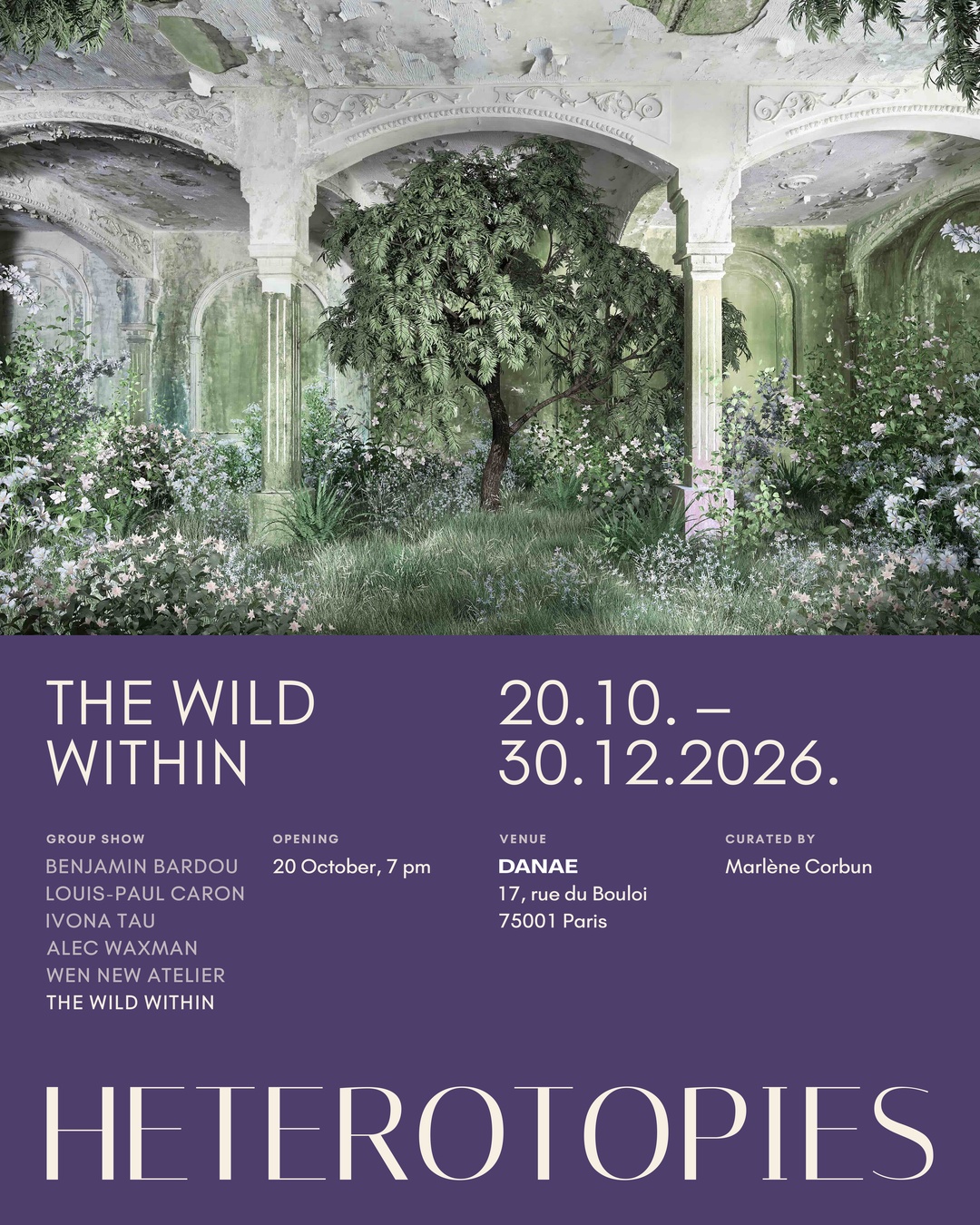
Heterotopies is informed by Michel Foucault's Of Other Spaces: Utopias and Heterotopias, a lecture delivered in 1967 and published in 1984. Foucault proposes that space is constituted through relations: between sites, forms of social life and the experiences they organise. He uses the term heterotopia for real places that disturb or reconfigure ordinary spatial arrangements. Such places can juxtapose several spaces, produce distinctive relations to time, and regulate the conditions under which people enter and act within them.
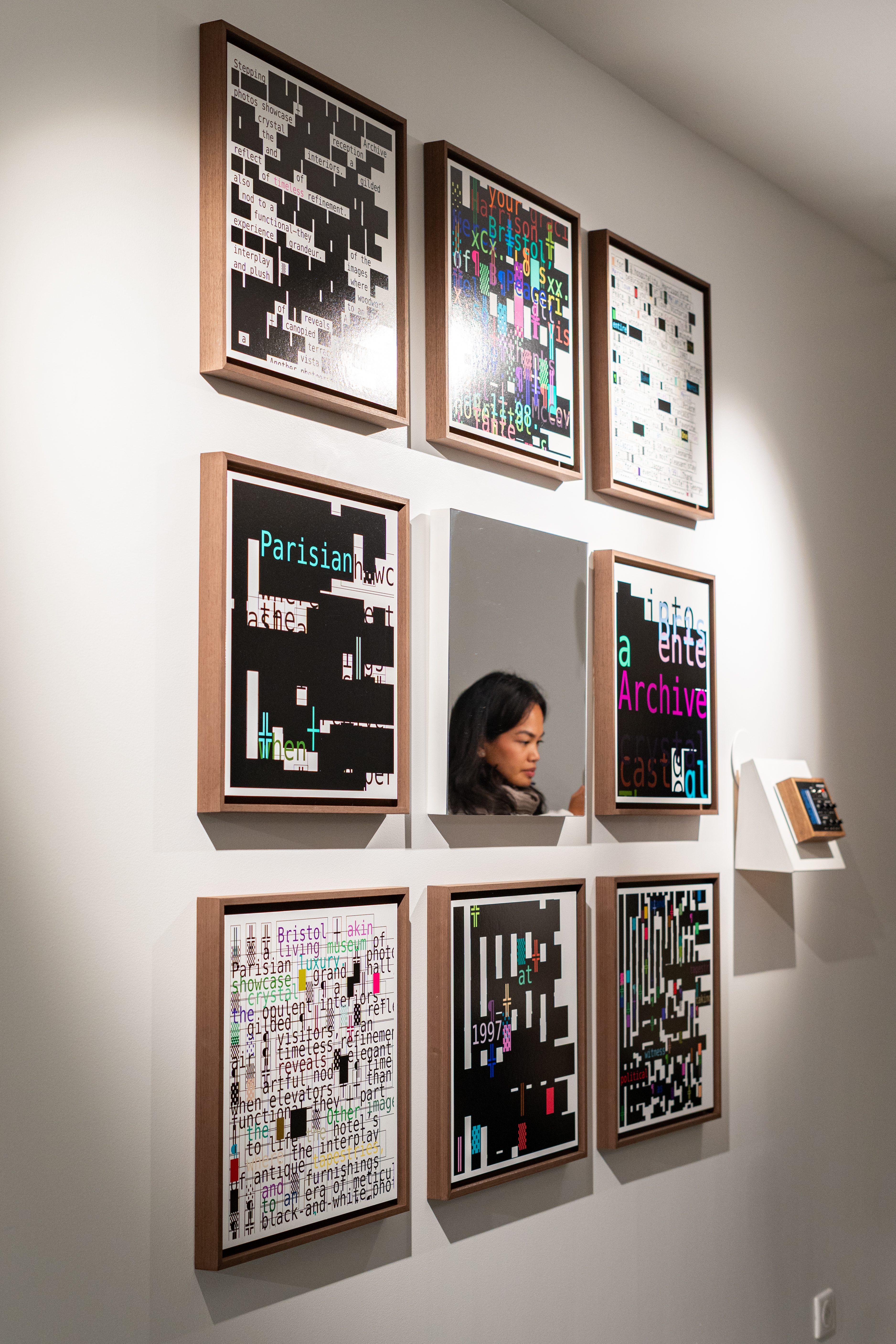
Foucault's discussion of the mirror clarifies this account. The mirror is an object situated in a particular room, yet it presents a virtual space in which the viewer appears at a distance from themselves. The reflected image directs the viewer back to their actual position, making the mirror a point of relation between physical and virtual space. The works in Heterotopies were first presented on the mirrored screen of the Bristol Bar in Paris. They now occupy a new setting as physical works. The change of context foregrounds the particular spatial and temporal worlds each artist constructs.
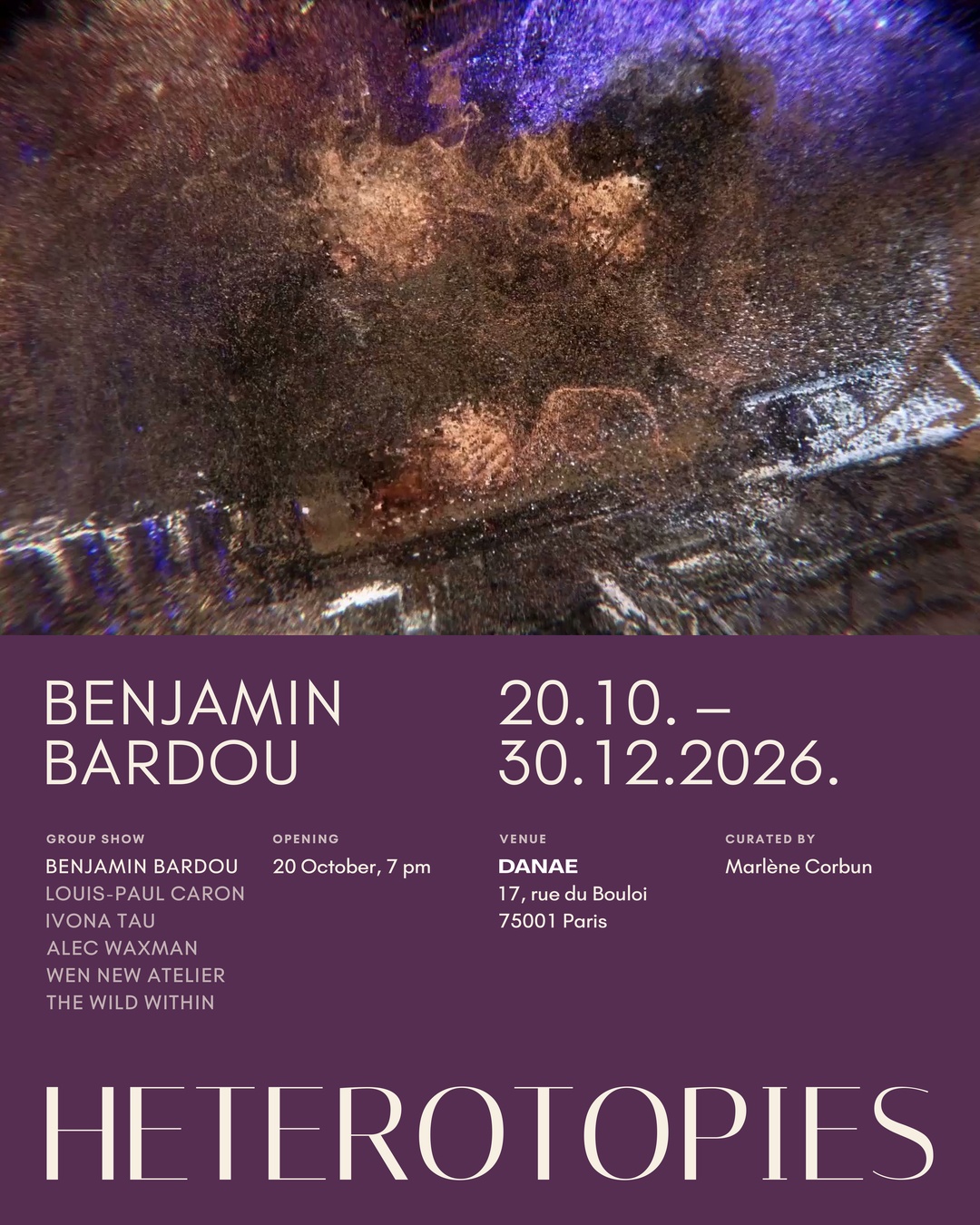
Bringing together six artistic practices, four individual artists and two duos, the exhibition examines how images and environments produce distinct forms of spatial experience. Its works range across temporal dislocation, cinematic composition, generative language, mythological thinking and the changing relation between human presence and the natural world.
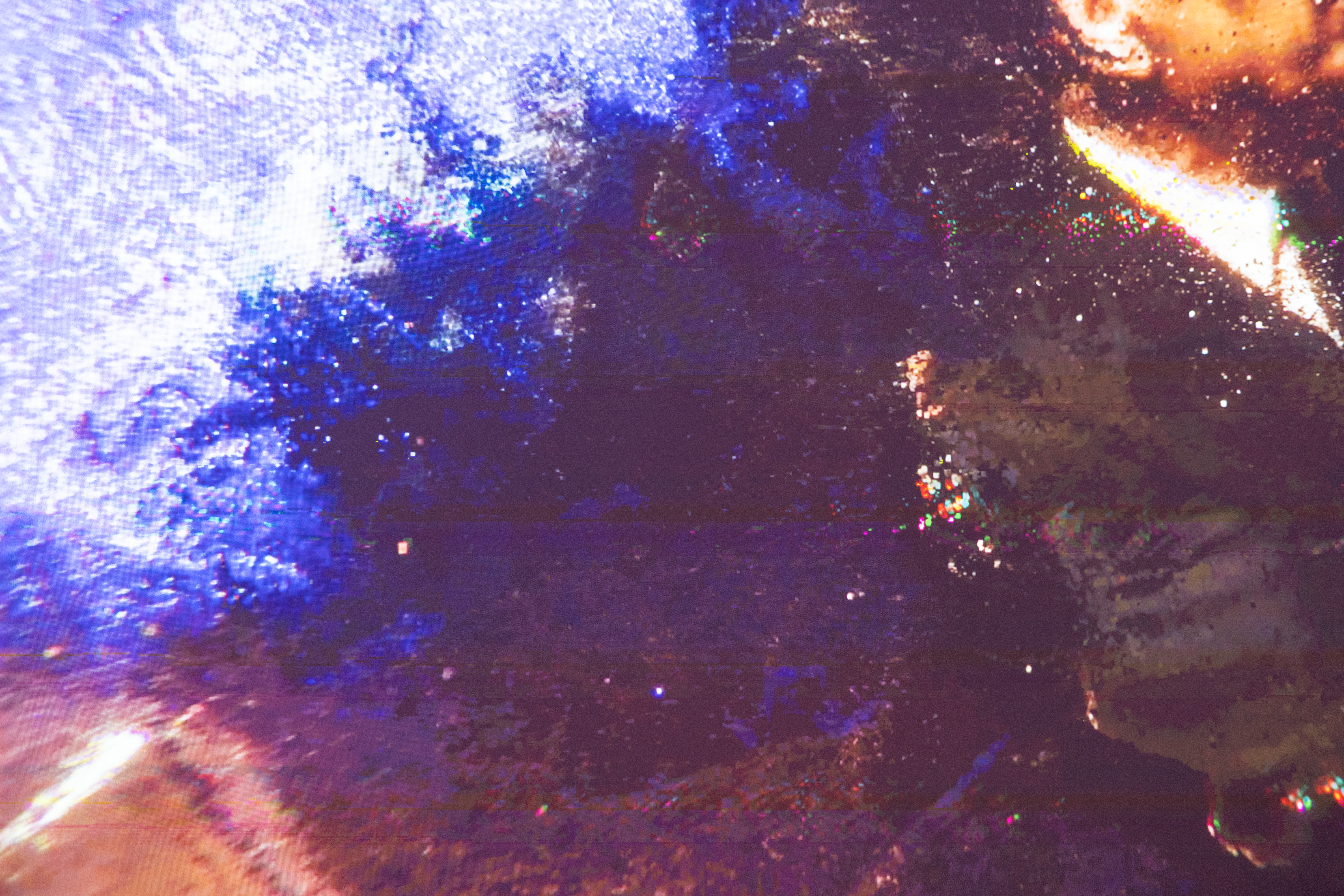
In L'Horloge, Benjamin Bardou unsettles chronological time through encounters between figures associated with different periods, including Albert Camus, Coco Chanel and Grace Kelly. Appearing together in the context of the Bristol Bar, these figures collapse historical distance into a shared scene. The work's temporal construction resonates with Walter Benjamin's reflections on history, in which the past can emerge within the present as an active and unresolved force.
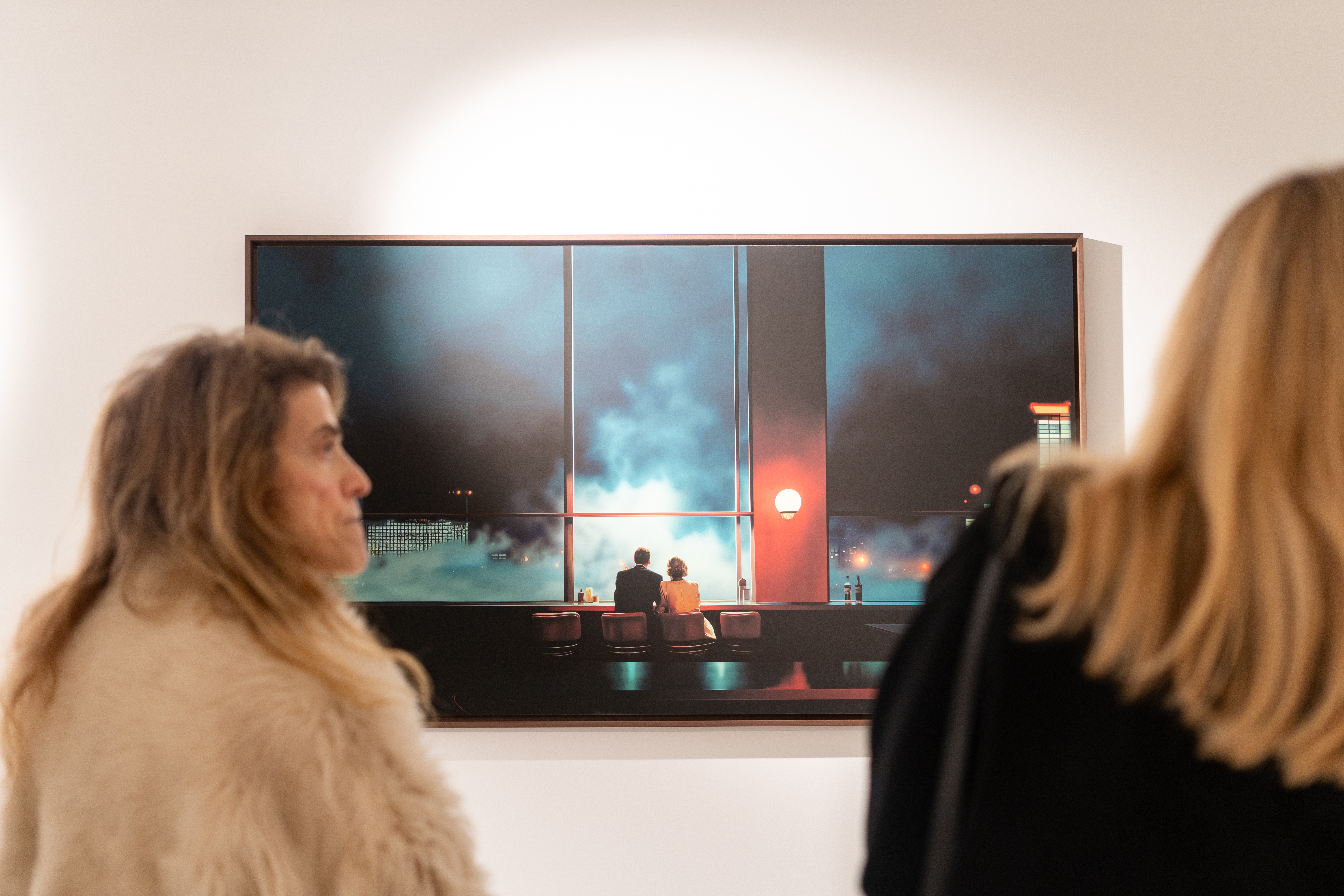
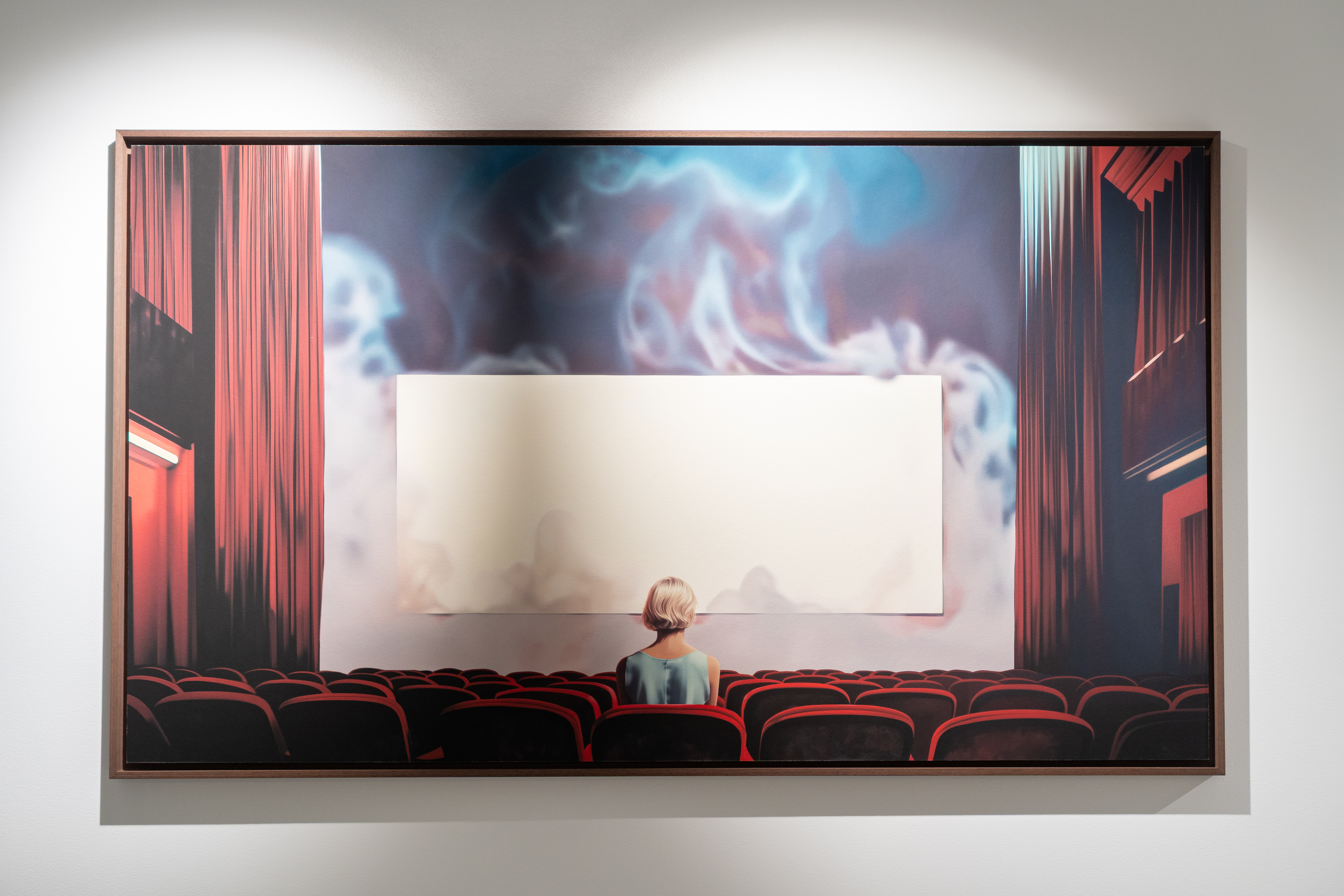
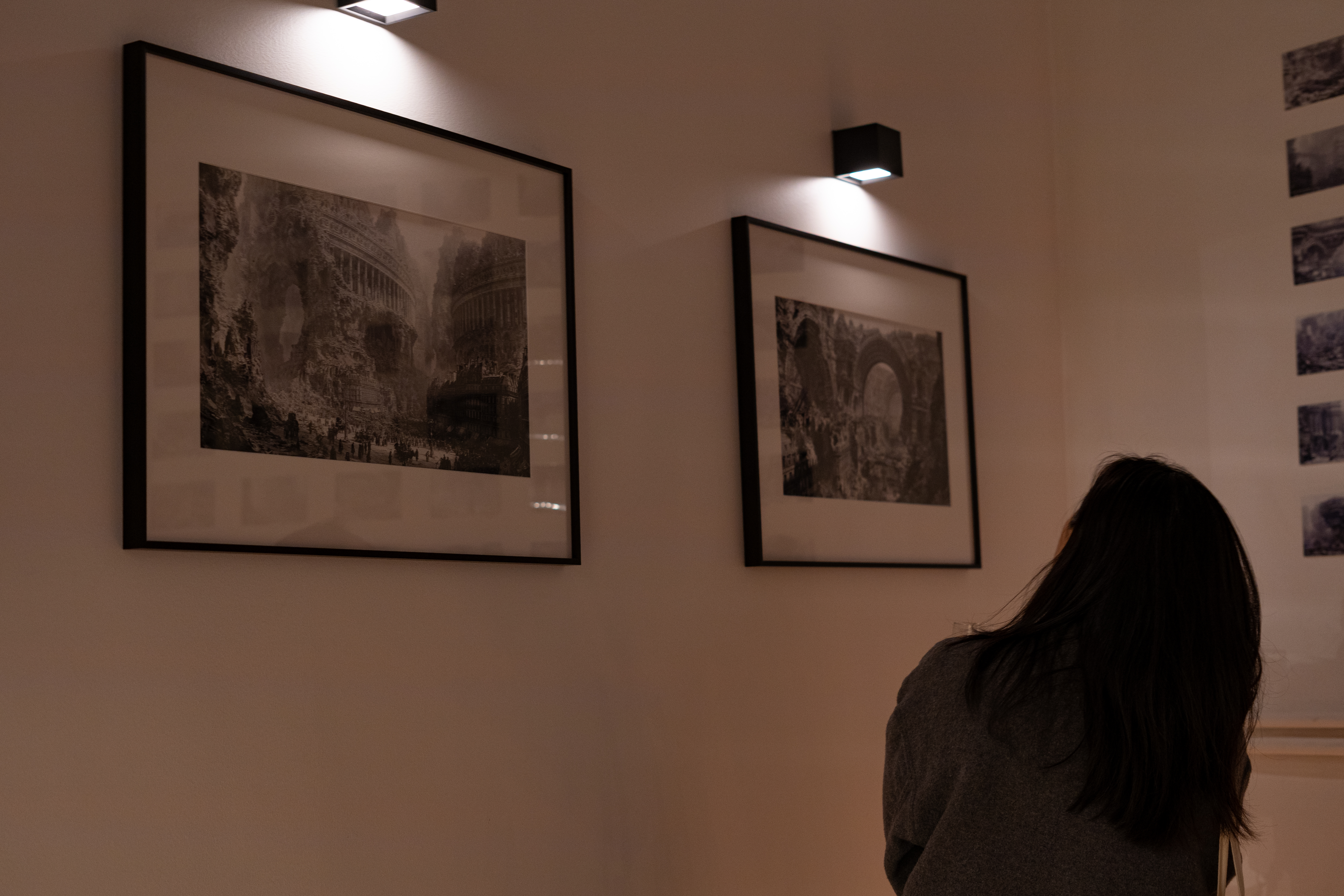
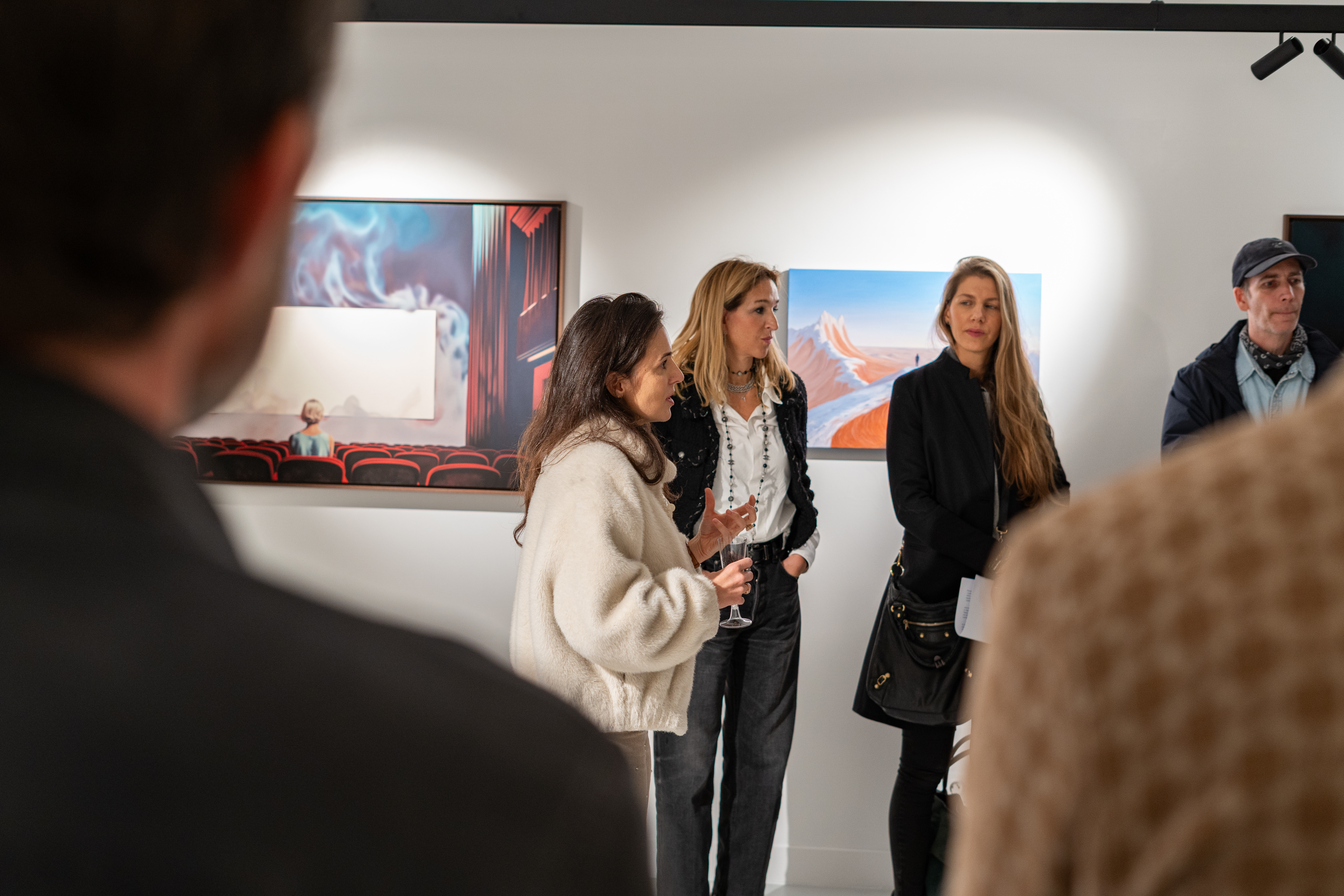
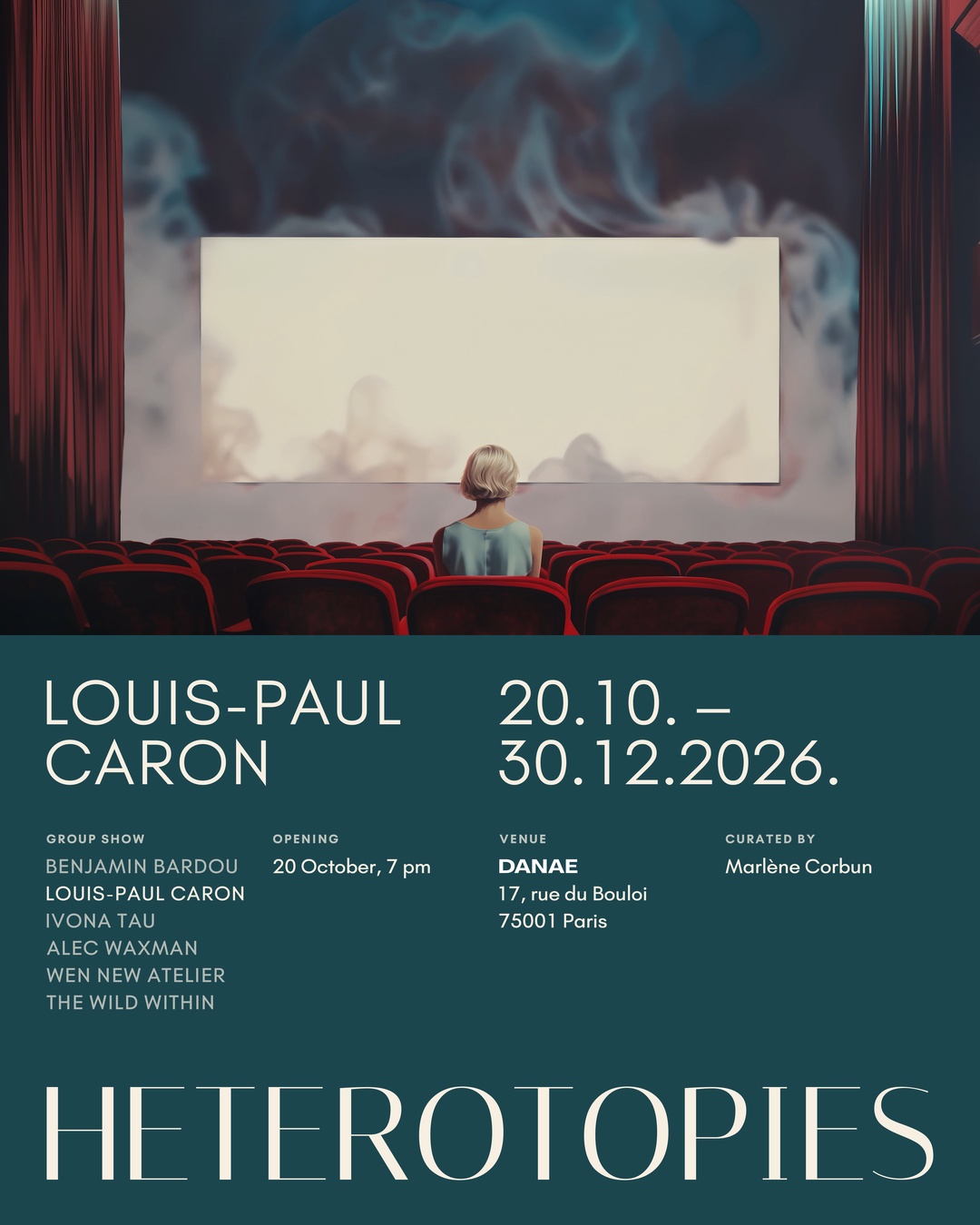
Louis-Paul Caron's scenes place human figures within carefully composed, cinematic environments. They appear as passive observers, absorbed into a world whose scale and atmosphere exceed their control. Drawing on the framing and visual language of Stanley Kubrick's films, Caron constructs spaces of formal precision charged with the possibility of disruption. The scenes hold their tension in suspension, suggesting that chaos may be close at hand.
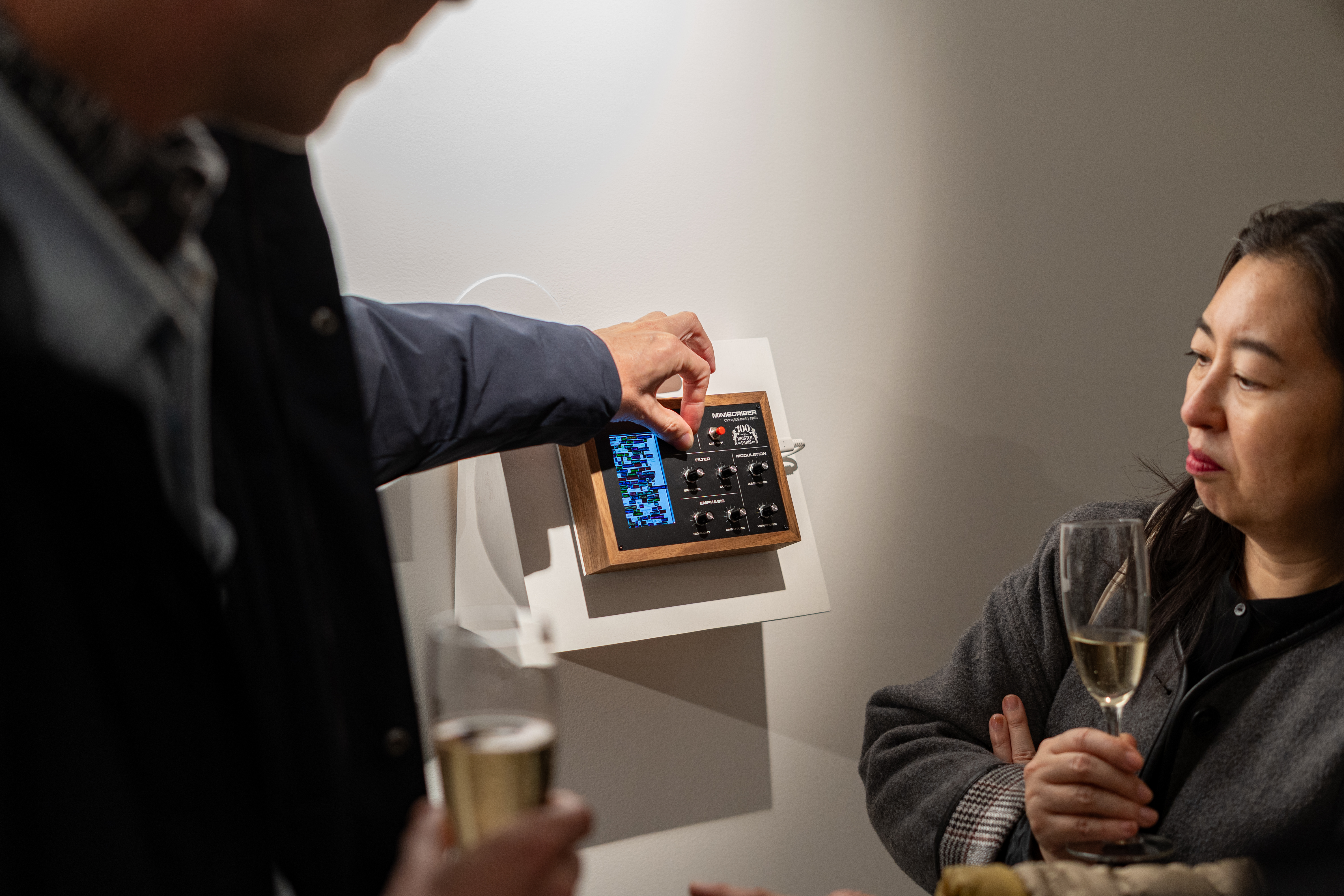
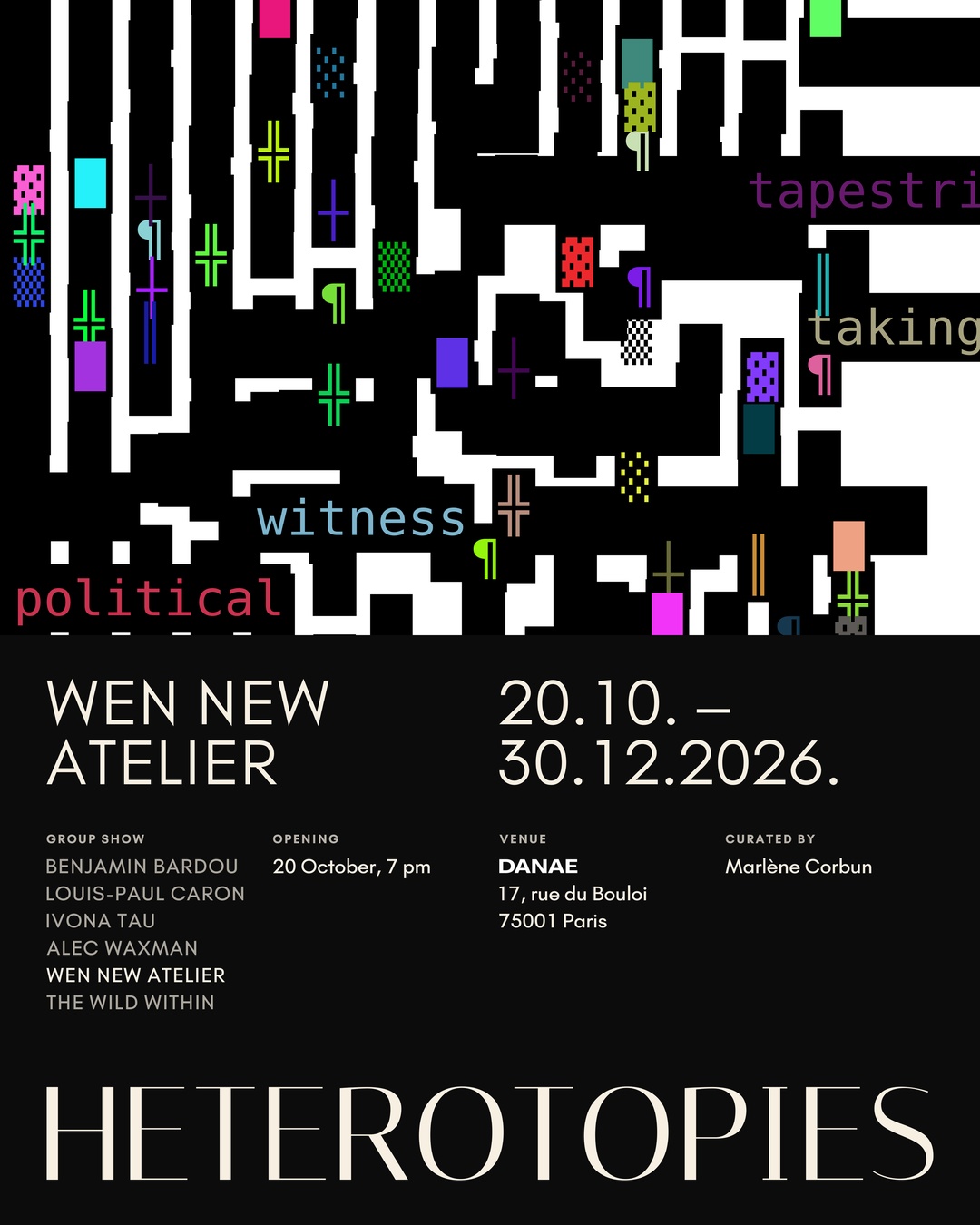
Wen New Atelier brings electronic music and conceptual poetry into a generative system. Miniscriber: Bristol Edition operates as a synthesiser of words, producing variable combinations in place of a fixed text. The mirror in the installation forms part of this larger arrangement, placing language, image and the viewer within a shared field of perception. Its presence recalls Foucault's example while extending the work's inquiry into how meaning is produced through spatial and visual relations.
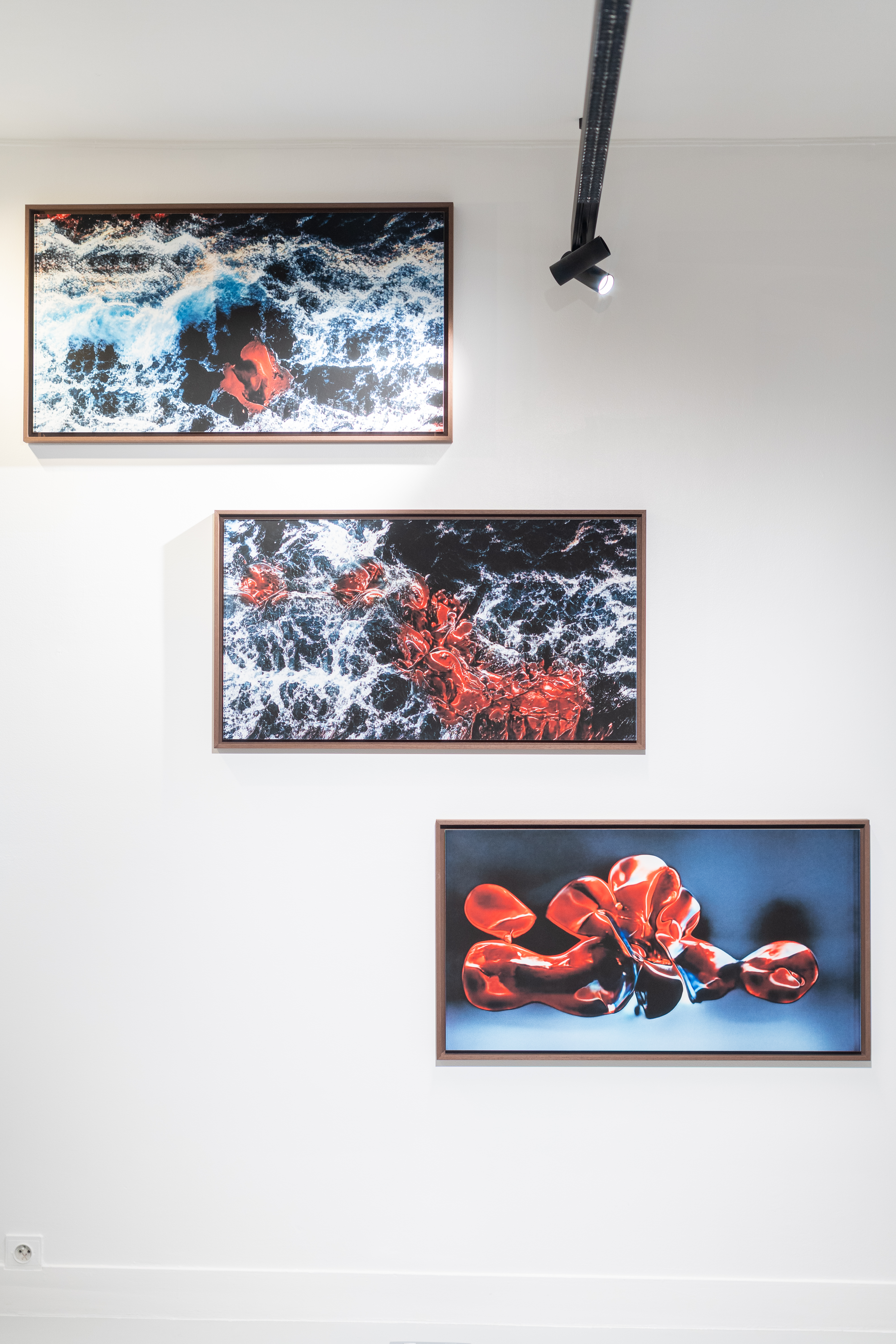
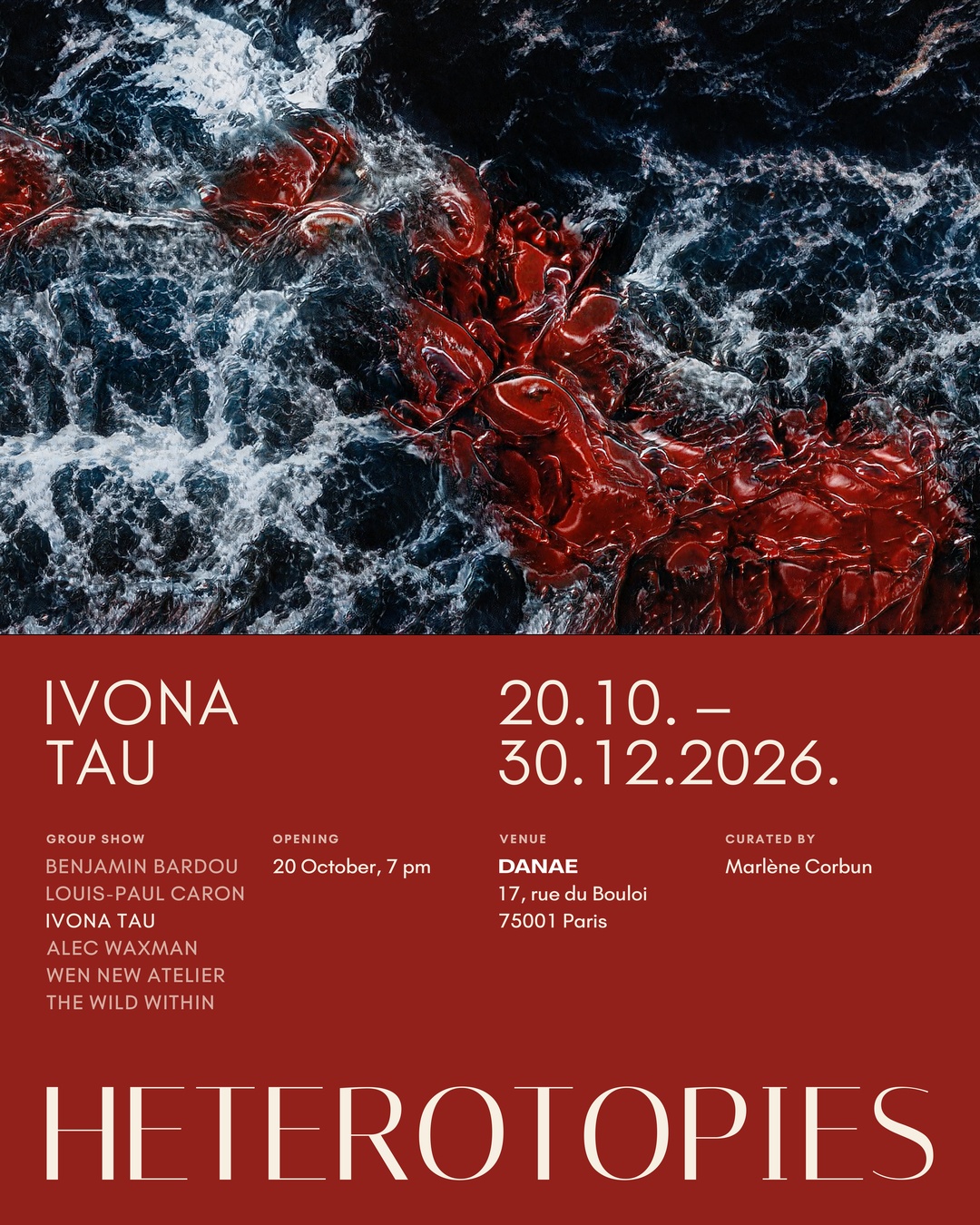
Ivona Tau's practice draws on Eastern European mythologies to bring organic and technological forms into relation. Myth provides a framework for encounters between living matter and machine systems, unsettling the distinction between them. In Tau's work, these domains appear as interdependent forces within a shared, evolving world.
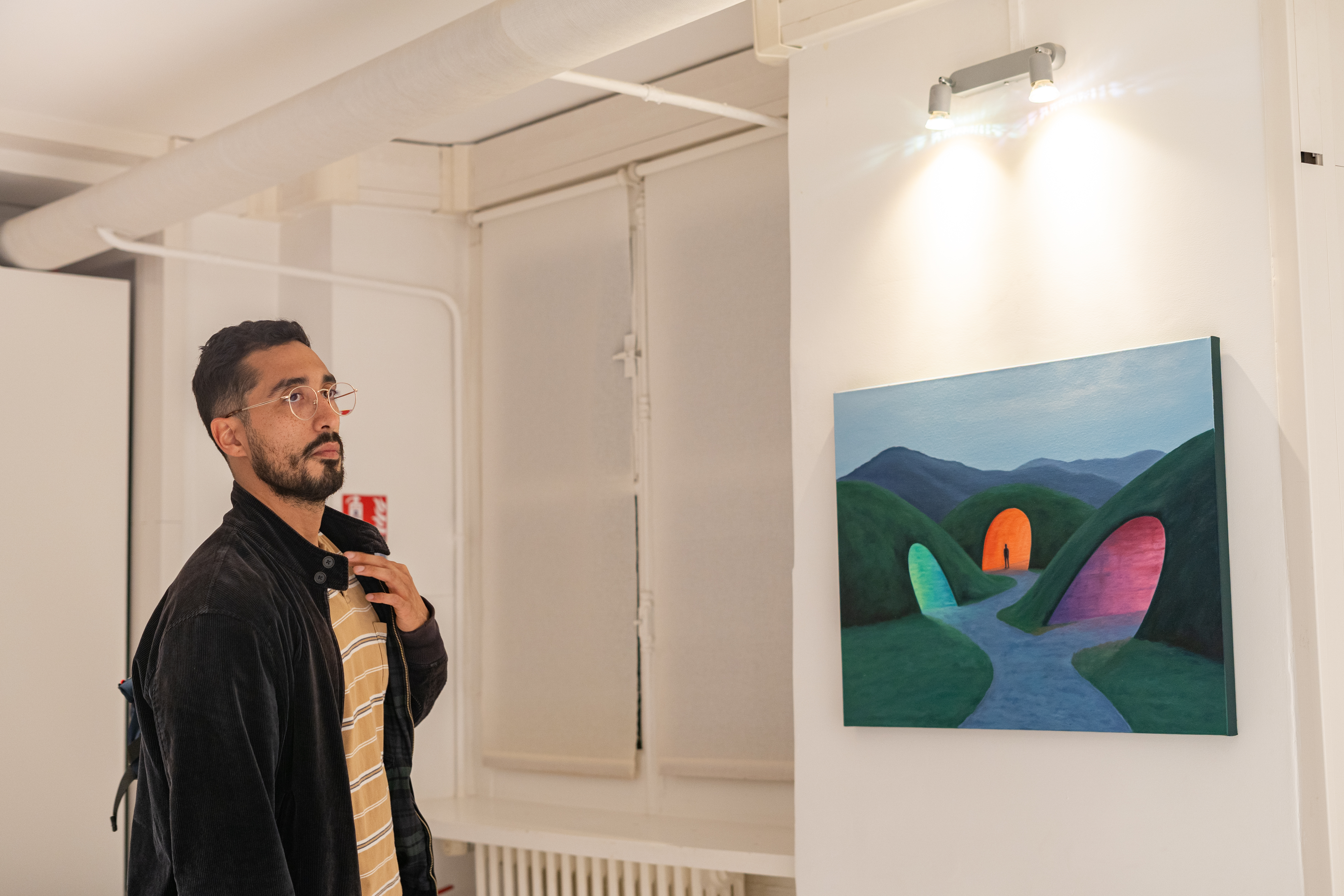
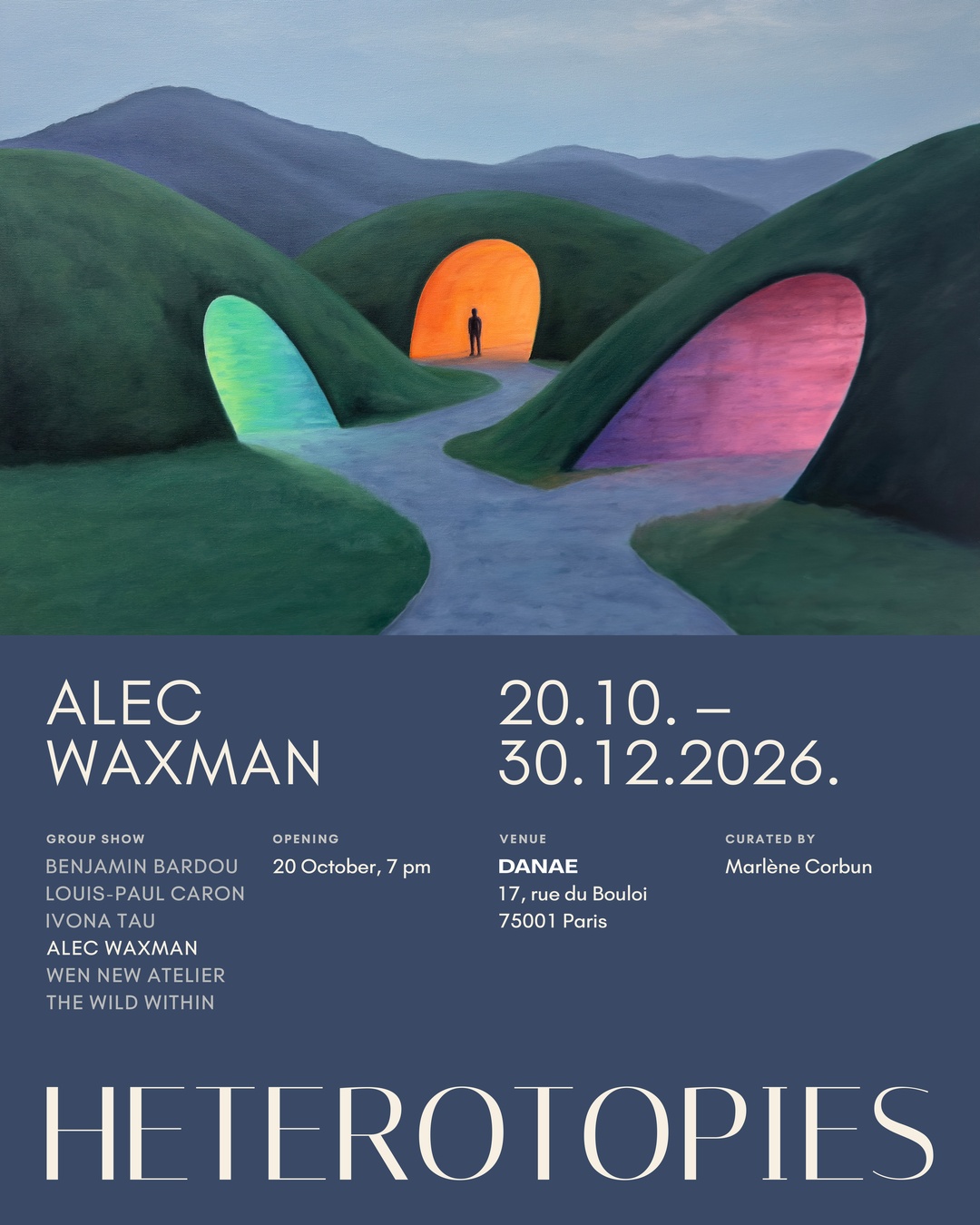
Alec Waxman begins with photographs taken in nature, attending to the atmosphere and transience of a particular moment. Through painting, he transforms these images into negative landscapes that invite the viewer's imaginative entry. The resulting spaces sustain a relation between the observed environment and the viewer's own experience, opening the landscape to a form of intimate recognition.
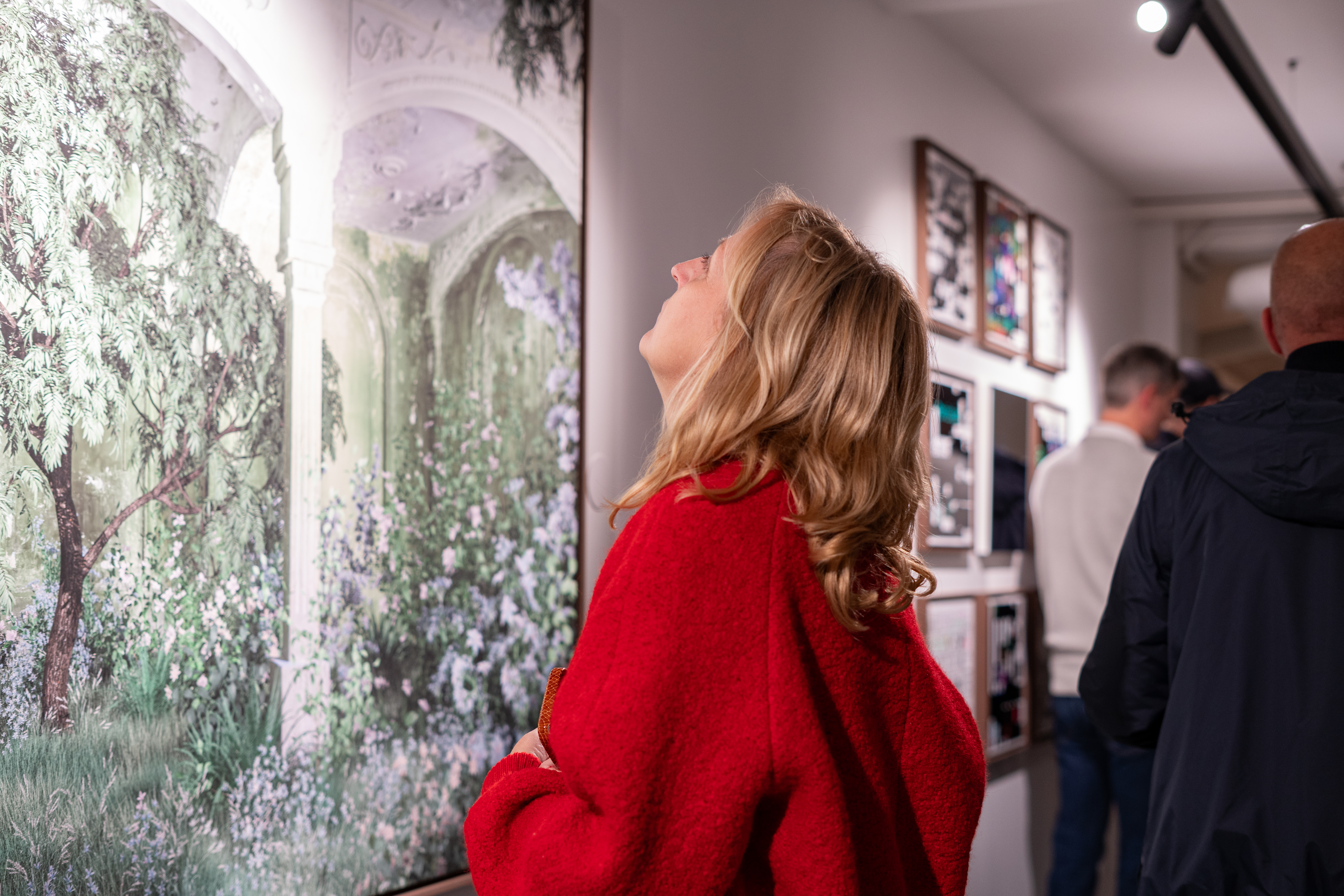
The duo The Wild Within focuses on an abandoned site in Lebanon, where nature appears to reclaim a space shaped by human use. Combining 3D imagery and photography, the artists draw on the expansive landscapes of eighteenth-century Italian painting. Their work brings this historical visual language into contact with a contemporary site, where human absence and the persistence of the natural world occupy the same image.
Together, these practices approach space as a condition shaped by memory, representation and perception. Each work establishes a distinct world, with its own temporal structure and relations between bodies, images and environments. Heterotopies place these worlds in conversation, inviting attention to the ways artistic practices can reorganise the spaces through which reality is understood. The exhibition attends to intermediary spaces we often pass through without noticing: thresholds, intervals, passages and surfaces that appear incidental, yet carry powerful meanings. These are not quite destinations, nor merely routes between them. They are places where different realities meet, and where the act of looking can alter our sense of where and who we are.